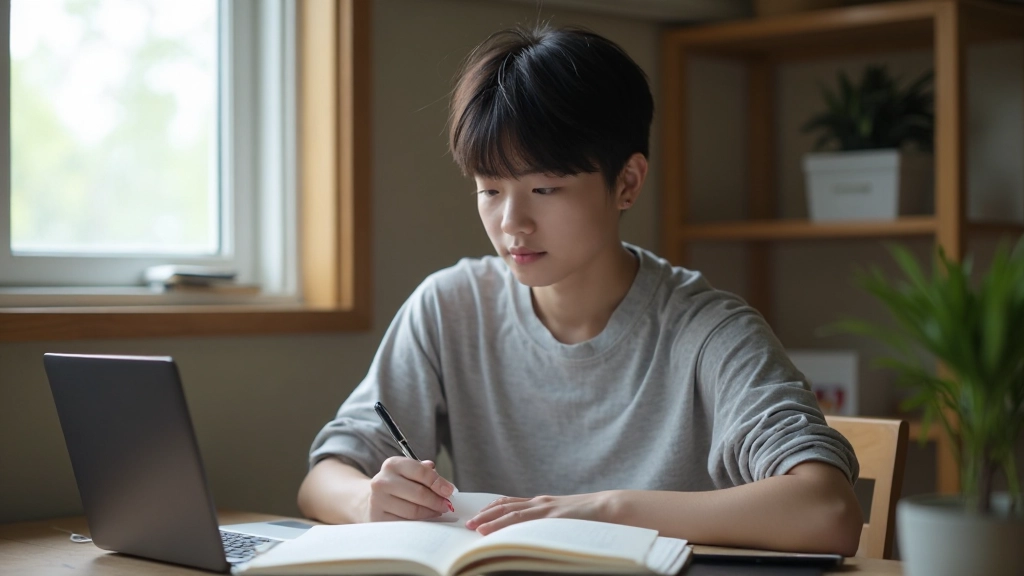
Creative Teaching Methods for Modern Learners
Transforming education through innovative approaches that engage, inspire, and empower students in the digital age

Why Teaching Methods Matter Today
Education has fundamentally transformed. Students today learn differently than previous generations, with access to unlimited information and diverse learning styles. Traditional lecture-based instruction no longer serves the complex needs of modern learners. Teachers who embrace creative methodologies create classrooms where curiosity flourishes, engagement deepens, and genuine understanding emerges.
The shift toward creative teaching isn't just about making lessons entertaining—it's about creating meaningful learning experiences that develop critical thinking, collaboration, and adaptability. These are the skills that matter most in an interconnected world.
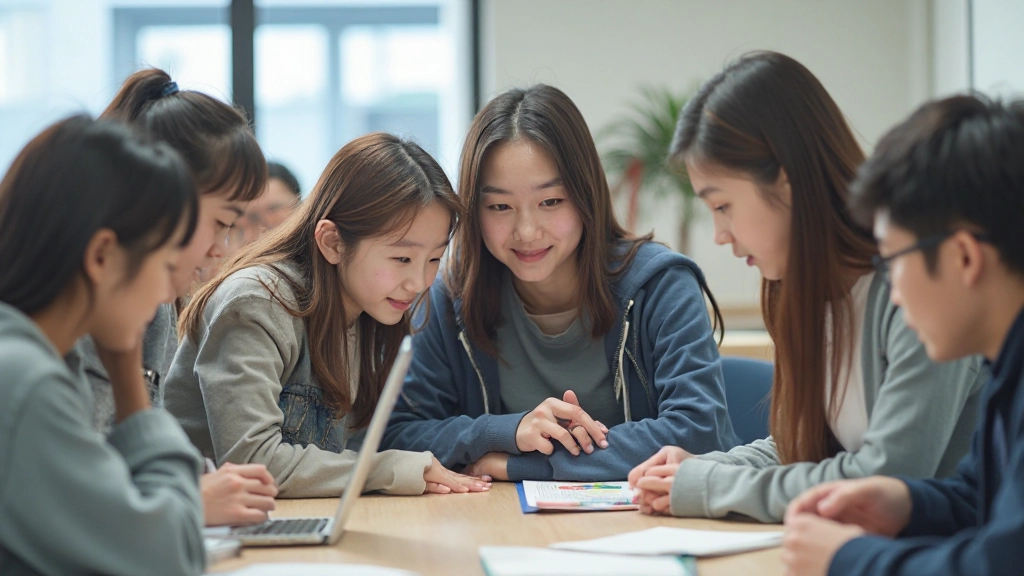
Five Essential Creative Teaching Methods
Proven approaches that transform student engagement and learning outcomes
Problem-Based Learning
Present students with real-world problems before introducing content. This approach naturally motivates learning by demonstrating relevance. Students work collaboratively to research solutions, develop hypotheses, and evaluate outcomes. The process builds critical thinking while making abstract concepts tangible and memorable.
Gamification and Interactive Elements
Incorporate game mechanics—points, levels, challenges, rewards—into learning activities. This taps into intrinsic motivation and creates a dynamic classroom atmosphere. Gamification works because it provides immediate feedback, celebrates progress, and transforms learning into engaging experiences that students actually look forward to.
Flipped Classroom Model
Reverse the traditional structure: students engage with content at home through videos or readings, then use classroom time for discussions, projects, and application. This maximizes face-to-face time for meaningful interaction while accommodating diverse learning paces. Students become active learners rather than passive listeners.
Project-Based Learning
Organize learning around extended projects that require sustained inquiry and creation. Students design solutions, conduct research, collaborate across disciplines, and produce tangible outcomes. This develops responsibility, time management, and demonstrates how learning applies beyond the classroom walls.
Multimodal and Experiential Learning
Engage multiple senses and learning modalities—visual, auditory, kinesthetic, reading/writing. Incorporate videos, discussions, hands-on experiments, role-play, and creative expression. This honors diverse learning preferences and creates deeper neural connections, leading to better retention and understanding.
Implementing Creative Methods Successfully
Transitioning to creative teaching methods requires thoughtful planning and realistic expectations. Start small by integrating one new method into existing lessons. Perhaps dedicate Friday afternoons to project-based work, or flip one unit to test the model. As you gain confidence and observe student responses, gradually expand your approach.
Key success factors include clear learning objectives aligned with creative activities, explicit instruction in collaboration skills, and building a classroom culture where risk-taking and mistakes are valued as learning opportunities. Professional development and peer collaboration with other innovative educators amplify your effectiveness.
"The most important part of teaching is not the content we deliver, but the curiosity we cultivate and the confidence we build in our students."
— Modern Education Practitioner

The Impact of Creative Teaching
Enhanced Critical Thinking
Creative methods challenge students to analyze, evaluate, and synthesize information rather than memorize facts. They develop problem-solving abilities applicable across subjects and life situations.
Stronger Collaboration Skills
Group projects and interactive learning naturally develop communication, teamwork, and conflict resolution skills essential for professional success and meaningful relationships.
Increased Engagement
When learning feels relevant, interactive, and meaningful, students attend more, participate more, and demonstrate better focus. Classroom energy shifts dramatically when methods align with how modern learners think.
Deeper Retention
Active engagement creates stronger memory encoding. Students who struggle through problems and create solutions retain information far longer than those who passively listen to lectures.
Greater Confidence
Succeeding on challenging projects builds self-efficacy. Students recognize their own capability, develop growth mindset, and become more willing to tackle difficult material and take intellectual risks.
Personalized Learning Paths
Creative methods accommodate diverse learning styles and paces. Students can explore content through their preferred modalities, work at appropriate levels, and follow genuine interests within the curriculum.

Addressing Implementation Challenges
Creative teaching methods require more preparation time than traditional lectures. Planning engaging projects, designing meaningful assessments, and preparing materials demand additional effort. However, this investment pays dividends through reduced behavior problems, higher engagement, and more efficient learning.
Space and resources can be limiting factors, but creative teaching often requires less expensive materials than assumed. Many effective projects use everyday items, community partnerships, and digital resources. The key is shifting from resource scarcity to resource creativity—using what's available in innovative ways.
Assessment also changes. Traditional tests measure memorization poorly. Creative teaching pairs with authentic assessment—portfolios, presentations, demonstrated competencies—that provide richer pictures of student learning and growth.
Transform Your Teaching Today
Creative teaching methods aren't revolutionary or mysterious—they're simply approaches that align with how humans actually learn best. By moving from passive reception to active engagement, from isolated content to integrated projects, from one-size-fits-all to personalized pathways, you create classrooms where learning thrives.
The students you teach today are preparing for a future we can barely imagine. They need critical thinking, creativity, collaboration, and adaptability far more than they need memorized facts. Creative teaching methods develop exactly these capabilities while making education more engaging and meaningful for everyone in the classroom.
Explore More Educational Resources
Discover comprehensive guides, teaching strategies, and learning approaches to enhance your classroom practice and student outcomes.
View All ResourcesEducational Disclaimer
This article presents educational approaches and teaching methodologies for informational purposes. While these creative teaching methods are supported by educational research and practitioner experience, individual results vary based on student populations, school contexts, available resources, and implementation quality. Teachers should evaluate these approaches within their specific circumstances, consider their students' needs and learning styles, and consult with colleagues and educational leaders when implementing new methods. This content is not a substitute for professional educational development, curriculum guidelines, or consultation with experienced educators and instructional coaches.